
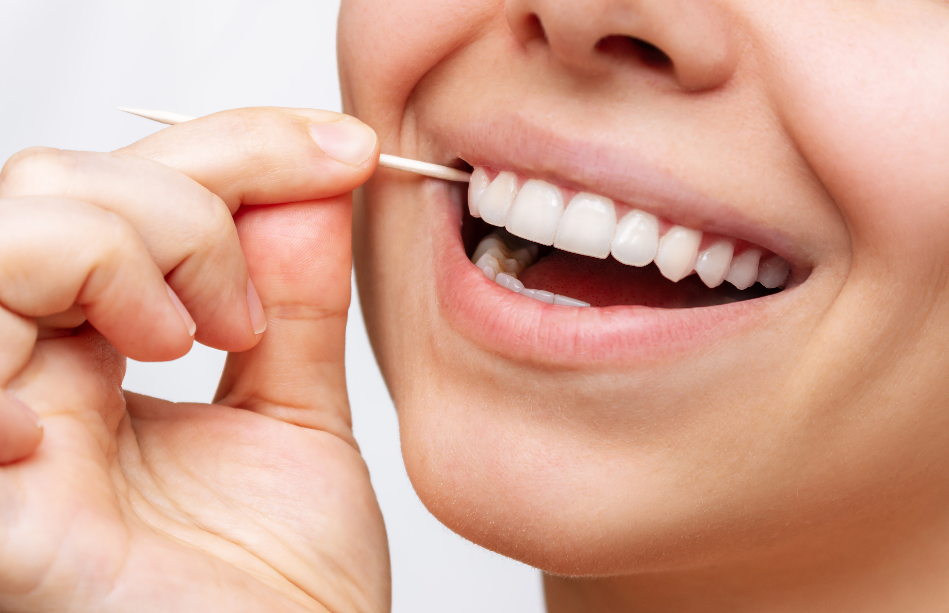
Few things are more annoying than feeling food stuck between your teeth after a meal. For many people, reaching for a toothpick feels like the quickest and easiest solution. However, despite their name, toothpicks are not usually the safest option for your smile.
Wooden toothpicks can be surprisingly rough on your teeth and gums. Because they are rigid and pointed, they can accidentally poke or scratch delicate gum tissue. Repeated irritation may lead to soreness, bleeding, or even gum recession over time. In some cases, using too much force can damage dental work like crowns, veneers, or fillings.
Another issue is that toothpicks are not especially effective at cleaning between teeth. Instead of removing debris completely, they may simply push food deeper into tight spaces. This can increase the risk of plaque buildup and irritation around the gums.
Splinters and Other Unexpected Problems
One of the biggest concerns with wooden toothpicks is the possibility of splintering. Tiny wood fragments can break off and become lodged in the gums, causing pain and inflammation. Sometimes, these splinters are difficult to remove without professional help.
Toothpicks can also accidentally injure the soft tissues inside the mouth. A sudden movement while talking, laughing, or walking with a toothpick in your mouth could lead to cuts or punctures. While these injuries may seem minor, they can still be uncomfortable and may increase the risk of infection.
People who habitually chew on toothpicks may also wear down enamel or place unnecessary pressure on their teeth. Over time, this habit can contribute to sensitivity or minor damage.
Better Ways to Remove Food from Between Your Teeth
If food gets trapped between your teeth, there are much safer and more effective ways to handle it. Dental floss remains one of the best tools for removing debris and plaque from tight spaces. Gently sliding floss between the teeth can help dislodge food without harming the gums.
Water flossers are another excellent option, especially for patients with braces, bridges, or sensitive gums. These devices use a gentle stream of water to clean hard-to-reach areas comfortably and efficiently.
Interdental brushes can also be useful for larger spaces between teeth. They are designed specifically to clean between teeth without the sharp edges associated with toothpicks.
If something feels firmly stuck and will not come out easily, it is important not to force it. Aggressively digging at the area with sharp objects can make the situation worse. In some cases, trapped food may signal an issue such as a cavity, damaged filling, or shifting teeth that should be evaluated by a dental professional.
When to See Your Dentist
Occasionally getting food stuck between your teeth is common, but frequent problems may indicate an underlying dental concern. If you regularly experience discomfort, bleeding gums, or areas where food constantly becomes trapped, scheduling a dental visit is a smart idea.
Your dentist can identify the cause of the issue and recommend the best treatment to protect your oral health. In some situations, prompt care may even help you avoid a more serious dental emergency later on.
A few small changes in your daily habits can go a long way toward keeping your smile healthy and comfortable.
About the Practice
At United Dental Centers of Hammond, patients receive comprehensive dental care in a welcoming and compassionate environment. Our team provides a wide range of services, including preventive, restorative, cosmetic, and emergency dentistry, to help patients maintain healthy smiles at every stage of life. By combining advanced technology with personalized care, the practice is committed to helping patients feel comfortable and confident during every visit.
Call us at (219) 933-4900 or schedule your appointment online.